
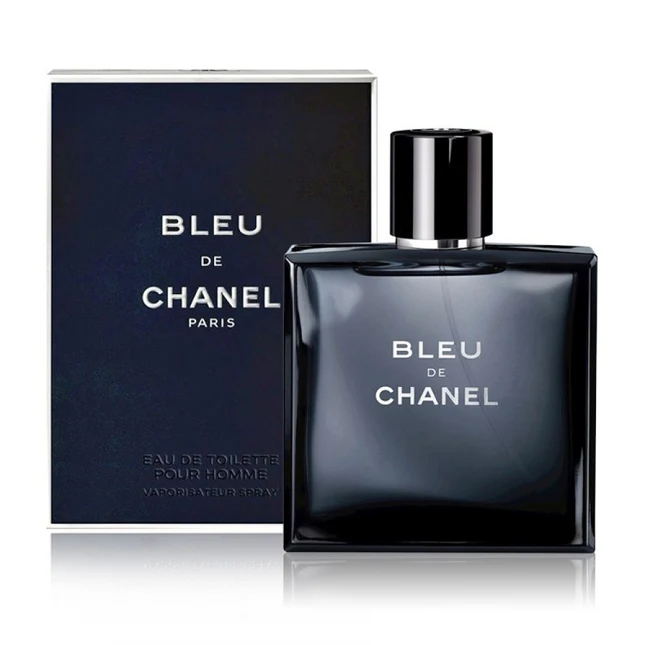
Wearing fragrance to work is a social calculation as much as a personal one. In a shared office nobody gets to opt out of your choice, and the fragrance that makes you feel confident at dinner can make a colleague’s afternoon genuinely unpleasant.
The rule that matters most
Apply less. Almost every office fragrance complaint is about quantity, not the fragrance itself. One to two sprays is the working range. Your scent should be noticeable to someone who leans in, not to someone three desks away.
What works
Fresh and citrus. Clean, bright, and almost impossible to object to. Chrome, Allure Homme Sport, Acqua di Giò.
Clean woods. Cedar and vetiver read as professional and grown-up. Terre d’Hermès, Mr. Burberry, Bvlgari Pour Homme.
Soft musks and skin scents. Sit close by design, which is exactly what you want. Narciso Rodriguez For Her, Pure Musc.
Light florals. Chloé, Coco Mademoiselle at one spray, Burberry Her Eau de Toilette.
What to save for after work
Heavy gourmands, oud, thick ambers and anything described as a beast. Black Opium, Spicebomb Extreme, Montale Intense Café and Le Male Elixir are all excellent fragrances and all wrong for a shared office. The problem isn’t quality — it’s that they’re designed to be noticed, and in an open-plan room they will be, for eight hours.
Consider the room
A private office with a door gives you far more latitude than a hot desk. Meeting rooms concentrate scent. Lifts are the most unforgiving environment there is. And in customer-facing roles, the safest choice is always the lighter one.
The allergy question
Fragrance sensitivity is real, and in some workplaces it’s a genuine accessibility issue rather than a preference. If a colleague mentions it, take it at face value and adjust. Nobody’s signature scent is worth someone else’s headache.
A practical approach
Keep two fragrances: a light eau de toilette for work and something richer for evenings and weekends. It costs less than you’d think, it makes both last longer, and it means you never have to compromise on either.